🎧 Listen to text audio:
玛丽: 苏苏,这个 周末 我们 去 哪里 玩?
Pinyin
Mǎlì: Sūsū, zhège zhōumò wǒmen qù nǎlǐ wán?
English
Mary: Susu, where are we going this weekend?
苏苏: 我们去 农家乐 吧!
Pinyin
Sūsū: Wǒmen qù nóngjiālè ba!
English
Susu: Let’s go to a farm stay!
玛丽: 农家乐 是 什么?
Pinyin
Mǎlì: Nóngjiālè shì shénme?
English
Mary: What is a farm stay?
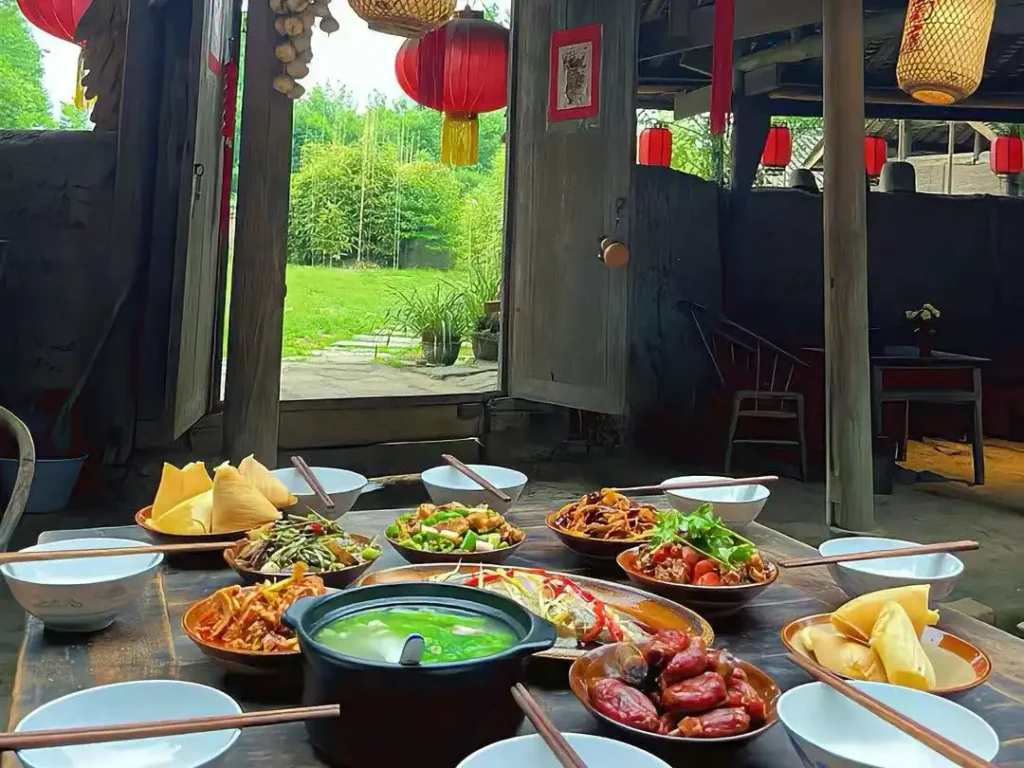
苏苏: 农家乐 就是 去 农村 玩,吃 农家菜,看 动物,还 可以 自己 摘 水果!
Pinyin
Sūsū: Nóngjiālè jiù shì qù nóngcūn wán, chī nóngjiācài, kàn dòngwù, hái kěyǐ zìjǐ zhāi shuǐguǒ!
English
Susu: A farm stay is going to the countryside, eating farm-style food, seeing animals, and even picking fruit yourself!
玛丽: 听起来 很 好 玩!我 想 去!
Pinyin
Mǎlì: Tīng qǐlái hěn hǎowán! Wǒ xiǎng qù!
English
Mary: That sounds fun! I want to go!
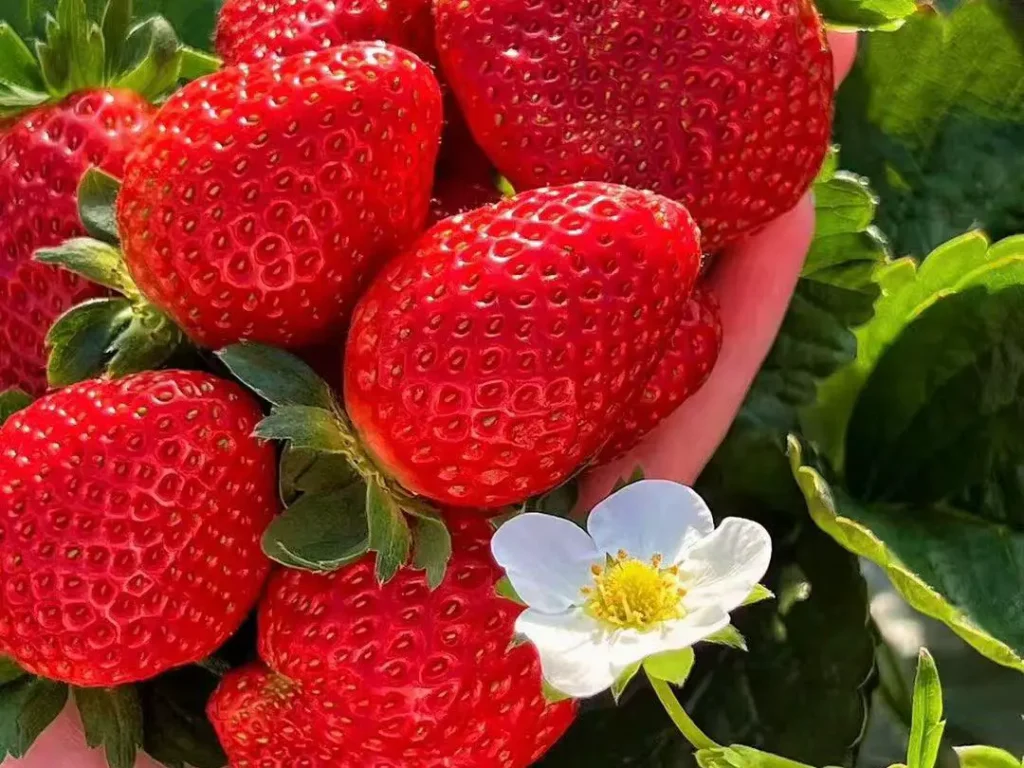
苏苏: 那 我们 周六 早上 出发,上午 摘 水果,下午 吃 农家菜。
Pinyin
Sūsū: Nà wǒmen zhōuliù zǎoshang chūfā, shàngwǔ zhāi shuǐguǒ, xiàwǔ chī nóngjiācài.
English
Susu: Then we’ll leave Saturday morning, pick fruit in the morning, and eat home-style food in the afternoon.
玛丽: 太 好 了,好 期待!
Pinyin
Mǎlì: Tài hǎo le, hǎo qīdài!
English
Mary: Great! I’m so excited!
语法点 (Grammar Points)
1. 吧 – Making a suggestion
Verb + 吧, used to suggest something.
文中 (In text):
– 我们去农家乐吧! – Let’s go to a farm stay!
例 (Example):
– 我们 吃 火锅 吧! – Let’s eat hot pot!
2. 就是 – Giving a definition
A + 就是 + B, used to define or explain something.
文中 (In text):
– 农家乐就是去农村玩,吃农家菜,看动物,还可以自己摘水果! – A farm stay is going to the countryside, eating home-style food, seeing animals, and even picking fruit yourself!
例 (Example):
– 春节 就是 中国 的 新年。- Spring Festival is Chinese New Year.
3. 听起来 – Expressing how something sounds
听起来 + Adjective/Verb Phrase, used to express how something sounds
文中 (In text):
– 听起来很好玩! – That sounds fun!
例 (Example):
– 这 个 菜 听起来 很 好 吃!- This dish sounds delicious!
4. 那 + Statement – Indicating a decision or conclusion
那 is often used at the beginning of a sentence to indicate a logical conclusion or decision based on the previous conversation. It is similar to “then” or “in that case” in English.
文中 (In text):
– 那我们周六早上出发,上午摘水果,下午吃农家菜。 – Then we’ll leave Saturday morning, pick fruit in the morning, and eat home-style food in the afternoon.
例 (Example):
– A: 这个 周末 天气 很 好。- The weather is great this weekend.
– B: 那 我们 去 公园 吧!- Then let’s go to the park!
5. 好 + Verb – Expressing high anticipation
好 + Verb, meaning “so [verb]” or “very [verb]”.
文中 (In text):
– 好期待! – So excited!
例 (Example):
– 好 喜欢 这 个 地方!- I really like this place!
Download the PDF Version
Want to read this story offline? Get the PDF version sent directly to your email.
Simply enter your email below, and we’ll send you the downloadable PDF for this lesson.