🎧 Listen to text audio:
提到 冰川,你 会 想到 哪里?南极?冰岛?
Pinyin
Tí dào bīngchuān, nǐ huì xiǎngdào nǎlǐ? Nánjí? Bīngdǎo?
English
When you think of glaciers, where do you think of? Antarctica? Iceland?
你 知道 吗?在 中国 西藏 的 高 山 上,也 有 一 片 美丽 的 冰川。
Pinyin
Nǐ zhīdào ma? Zài Zhōngguó Xīzàng de gāo shān shàng, yě yǒu yí piàn měilì de bīngchuān.
English
Did you know that in the high mountains of Tibet, China, there is also a beautiful glacier?
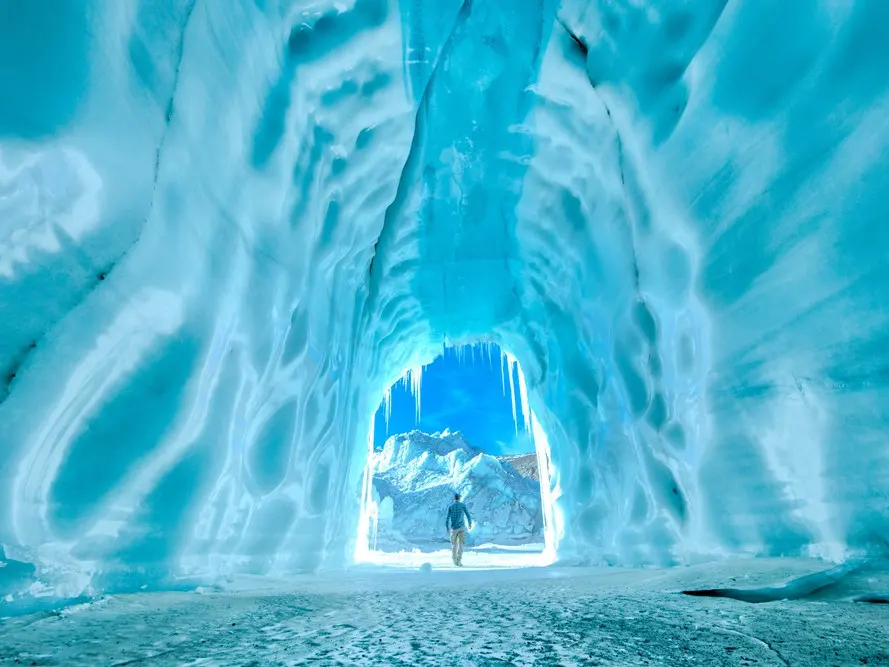
在 阳光 下,冰 变得 像 蓝色 的 宝石,闪闪发光。
Pinyin
Zài yángguāng xià, bīng biànde xiàng lán sè de bǎoshí, shǎnshǎn fāguāng.
English
Under the sunlight, the ice turns into a blue gem, shining brightly.
走 进 冰 洞,你 会 看到 亮晶晶 的蓝色 冰 墙,就 像 进入 了 冰 雪 世界。
Pinyin
Zǒu jìn bīng dòng, nǐ huì kàndào liàngjīngjīng de lán sè bīng qiáng, jiù xiàng jìnrù le bīng xuě shìjiè.
English
Walking into the ice cave, you will see sparkling blue ice walls, as if entering a snow and ice world.
想 看到 这些 冰川 不 容易。需要 跟 着 当地 人,一步一步 地 走 过去。
Pinyin
Xiǎng kàndào zhèxiē bīngchuān bù róngyì. Xūyào gēnzhe dāngdì rén, yíbù yíbù de zǒu guòqù.
English
It is not easy to see these glaciers. You need to follow the locals and walk step by step.
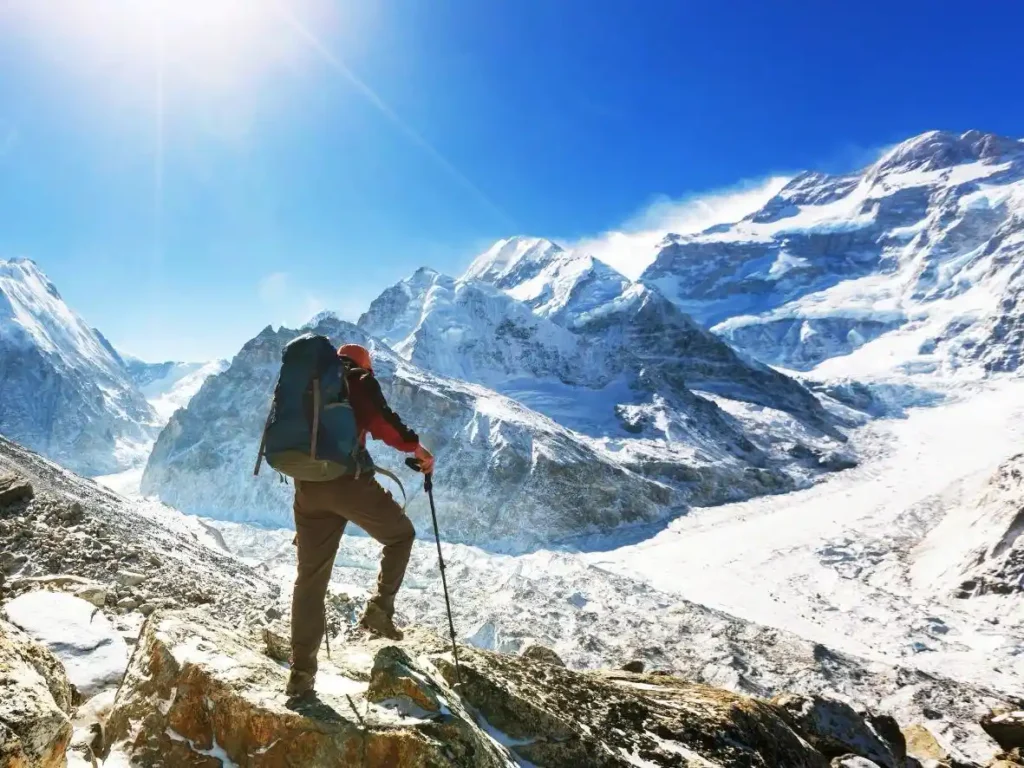
这里 的 山 路 很 陡,天气 很 冷。而且,西藏的 空气 很 薄,很多人会 觉得 头晕。所以,去这里 要 穿 厚 衣服,还 可以 准备 氧气 瓶,以防 身体 不 舒服。
Pinyin
Zhèlǐ de shānlù hěn dǒu, tiānqì hěn lěng. Érqiě, Xīzàng de kōngqì hěn báo, hěn duō rén huì juéde tóuyūn. Suǒyǐ, qù zhèlǐ yào chuān hòu yīfu, hái kěyǐ zhǔnbèi yǎngqì píng, yǐfáng shēntǐ bù shūfú.
English
The mountain roads here are very steep, the weather is cold, and the air in Tibet is thin. Many people feel dizzy. So, you need to wear thick clothes, bring sunscreen, and you can also prepare an oxygen bottle in case you feel uncomfortable.
虽然 路 不 好 走,但 当 你 站 在 冰川 前,看到这 片 梦幻 的 蓝色 世界,一切 努力 都 会 变得 值得!
Pinyin
Suīrán lù bù hǎo zǒu, dàn dāng nǐ zhàn zài bīngchuān qián, kàndào zhè piàn mènghuàn de lán sè shìjiè, yíqiè nǔlì dōu huì biànde zhídé!
English
Although the journey is difficult, when you stand in front of the glacier and see this dreamy blue world, all the efforts will be worth it!
语法点 (Grammar Points)
1. 变得 像 + Noun – To become like
This structure is used to describe a transformation, indicating that something changes and becomes like something else.
文中 (In text):
– 在阳光下,冰变得像蓝色的宝石,闪闪发光。- Under the sunlight, the ice becomes like a blue gem, shining brightly.
例 (Example):
– 他的 笑容 变得像 阳光 一样 温暖。- His smile becomes as warm as the sunshine.
2. 而且 – Moreover / Furthermore
This structure is used to add more information, showing that something additional or more important is being mentioned.
文中 (In text):
– 而且,西藏的空气很薄,很多人会觉得头晕。- Moreover, the air in Tibet is thin, and many people will feel dizzy.
例 (Example):
– 他 不仅 会 说 英语,而且 会 说 法语。- He can speak not only English but also French.
3. 所以 – Therefore / So
This structure is used to show the result or conclusion of a situation, often explaining why something happens.
文中 (In text):
– 所以,去这里要穿厚衣服,还可以准备氧气瓶,以防身体不舒服。- Therefore, you need to wear thick clothes and can also prepare an oxygen bottle, in case you feel unwell.
例 (Example):
– 天气 很 冷,所以 我 穿 了 很 多 衣服。- The weather is very cold, so I wore a lot of clothes.
4. 虽然 – Although / Though
This structure is used to show contrast, indicating that despite one situation, another situation happens.
文中 (In text):
– 虽然路不好走,但当你站在冰川前,看到这片梦幻的蓝色世界,一切努力都会变得值得!- Although the road is difficult, when you stand in front of the glacier and see this dreamy blue world, all the effort will be worth it!
例 (Example):
– 虽然 今天 下雨,但 我 还是 去 了 公园。- Although it rained today, I still went to the park.
Download the PDF Version
Want to read this story offline? Get the PDF version sent directly to your email.
Simply enter your email below, and we’ll send you the downloadable PDF for this lesson.