🎧 Listen to text audio:
你 想 学 功夫 吗?
Pinyin
Nǐ xiǎng xué gōngfū ma?
English
Do you want to learn Kung Fu?
那 你 一定 要 知道 少林寺!这里 是 中国 功夫 的 故乡,很 多 人 来 这里 学 少林 功夫。
Pinyin
Nà nǐ yídìng yào zhīdào Shàolínsì! Zhèlǐ shì Zhōngguó gōngfū de gùxiāng, hěn duō rén lái zhèlǐ xué Shàolín gōngfū.
English
Then you must know about Shaolin Temple! This is the birthplace of Chinese Kung Fu, and many people come here to learn Shaolin Kung Fu.


少林寺 在 哪儿?
Pinyin
Shàolínsì zài nǎr?
English
Where is Shaolin Temple?
地点: 在 中国 河南 的 嵩山 上。
Pinyin
Dìdiǎn: zài Zhōngguó Hénán de Sōngshān shàng.
English
Location: It is on Song Mountain in Henan, China.
历史: 有 1500 多 年,非常 古老!
Pinyin
Lìshǐ: yǒu 1500 duō nián, fēicháng gǔlǎo!
English
History: It is over 1,500 years old, very ancient!
环境: 山 上 有 很 多 树,空气 好,风景 美。
Pinyin
Huánjìng: shān shàng yǒu hěn duō shù, kōngqì hǎo, fēngjǐng měi.
English
Environment: There are many trees on the mountain, the air is fresh, and the scenery is beautiful.
特别 之处: 这里的 和尚 不只 念经,还 会 超 厉害 的功夫!
Pinyin
Tèbié zhī chù: zhèlǐ de héshang bù zhǐ niànjīng, hái huì chāo lìhài de gōngfū!
English
Special Feature: The monks here don’t just chant scriptures; they also know incredible Kung Fu!

少林功夫 练 什么?
Pinyin
Shàolín gōngfū liàn shénme?
English
What do Shaolin monks practice?
少林和尚 每天 都 要 练功。
Pinyin
Shàolín héshang měitiān dōu yào liàngōng.
English
Shaolin monks train every day.
他们 练 拳法,非常 有 力。
Pinyin
Tāmen liàn quánfǎ, fēicháng yǒu lì.
English
They practice fist techniques, which are very powerful.
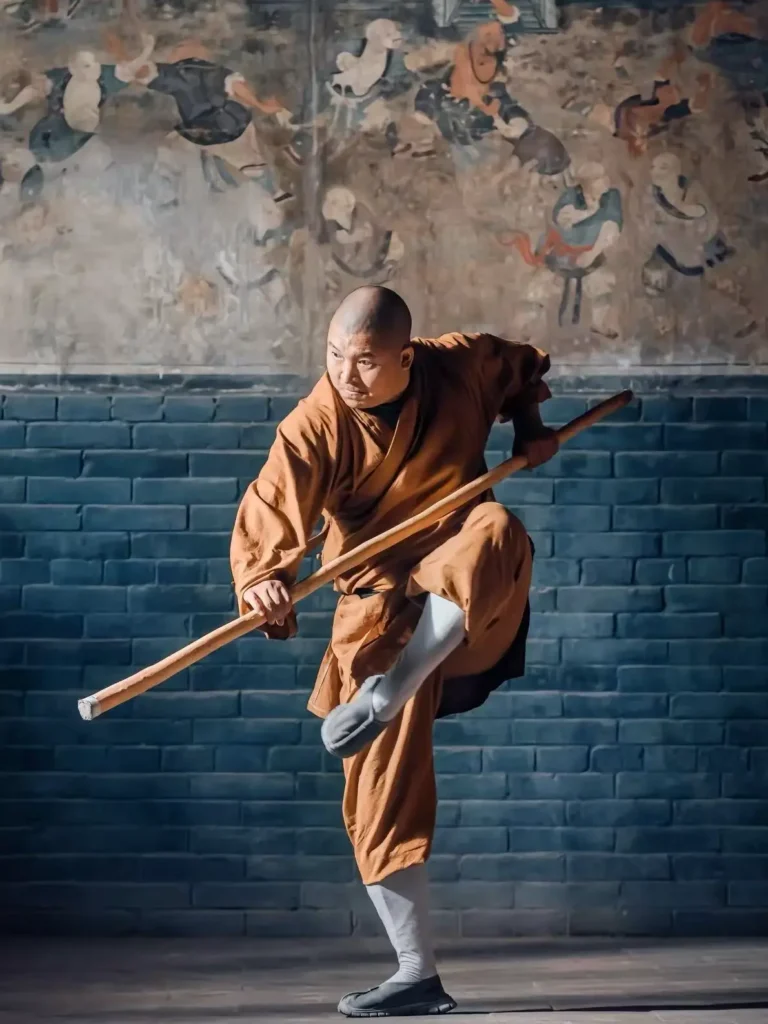
他们 练 棍法,十分 帅气。
Pinyin
Tāmen liàn gùn fǎ, shífēn shuàiqì.
English
They practice staff techniques, which look very impressive.
他们 还 练 硬 气功,能 用 手 劈 开 砖块。
Pinyin
Tāmen hái liàn yìng qìgōng, néng yòng shǒu pī kāi zhuānkuài.
English
They also practice hard qigong and can break bricks with their hands.
为什么 练 功夫?
Pinyin
Wèishéme liàn gōngfū?
English
Why do they practice Kung Fu?
练习 少林功夫 可以 让 身体 更 强壮,也 可以 让 心 更 平静。
Pinyin
Liànxí Shàolín gōngfū kěyǐ ràng shēntǐ gèng qiángzhuàng, yě kěyǐ ràng xīn gèng píngjìng.
English
Practicing Shaolin Kung Fu makes the body stronger and the mind calmer.
和尚 练功 不是 为了 打架,而是 让 自己 更 有 力量,更 冷静。
Pinyin
Héshang liàngōng bù shì wèile dǎjià, ér shì ràng zìjǐ gèng yǒu lìliàng, gèng lěngjìng.
English
The monks don’t practice to fight, but to become stronger and more peaceful.
有趣 的 事情
Pinyin
Yǒuqù de shìqíng
English
Interesting Facts
他们 每天 早上 4 点 就 起床 练功,比 上学 还 早!
Pinyin
Tāmen měitiān zǎoshang 4 diǎn jiù qǐchuáng liàngōng, bǐ shàngxué hái zǎo!
English
They wake up at 4 a.m. every day to train, even earlier than school!
很多 外国 人 也 来 少林寺 学 功夫,有的 还 成 了 少林和尚!
Pinyin
Hěn duō wàiguó rén yě lái Shàolínsì xué gōngfū, yǒu de hái chéng le Shàolín héshang!
English
Many foreigners also come to Shaolin Temple to learn Kung Fu, and some even become Shaolin monks!
你 想 试试 吗?
Pinyin
Nǐ xiǎng shìshi ma?
English
Do you want to try?
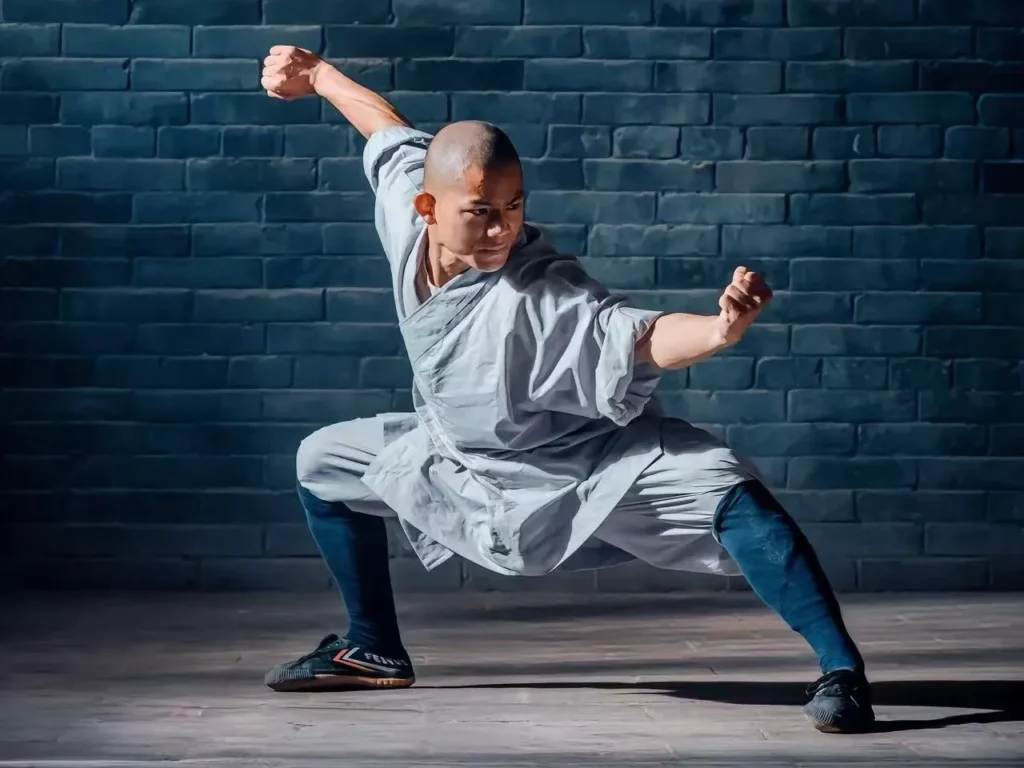
别 着急 打拳,可以 先 练 “马步”—— 像 坐 在 空气 椅子 上 一样。试试 能 坚持 5 秒 吗?
Pinyin
Bié zháojí dǎquán, kěyǐ xiān liàn “mǎbù” – xiàng zuò zài kōngqì yǐzi shàng yíyàng. Shìshì néng jiānchí wǔ miǎo ma?
English
Don’t rush to throw punches! You can start by practicing the “horse stance” – like sitting on an invisible chair. Try holding it for 5 seconds!
语法点 (Grammar Points)
1. 不只…还 – Not only… but also
不只 + Verb 1, 还 + Verb 2 – Used to indicate that something is not only one thing, but also another.
文中 (In text):
– 这里的和尚不只念经,还会超厉害的功夫。- The monks here not only chant sutras, but also do very impressive Kung Fu.
例 (Example):
– 她不只 喜欢 猫,还喜欢 狗。- She not only likes cats, but also likes dogs.
2. 不是…而是… – Not … but …
不是 + Noun/Verb 1, 而是 + Noun/Verb 2 – Used to correct or emphasise that something is not one thing, but another
文中 (In text):
– 和尚练功不是为了打架,而是为了让自己更有力量,更冷静。- The monks don’t practice to fight, but to become stronger and more peaceful.
例 (Example):
– 我不是 想 吃 巧克力,而是想 喝 茶。- I don’t want to eat chocolate, but I want to drink tea.
3. 比…还… – More than…
比 + Noun/Verb + 还 + Adjective/Verb – Used to compare and emphasize that something is more than something else in a certain aspect.
文中 (In text):
– 他们早上4点就起床练功,比上学还早!- They wake up at 4 AM to practice Kung Fu, even earlier than you go to school!
例 (Example):
– 今天 的 天气 比 昨天 还 冷。- Today’s weather is even colder than yesterday.
4. 像…一样 – Like…
像 + Noun/Verb + 一样 – Used to compare something to something else, meaning “like” or “as if.”
文中 (In text):
– 可以先练”马步”——像坐在空气椅子上一样。- You can start by practicing the “horse stance” – like sitting on an air chair.
例 (Example):
– 他 跑 得 像 风 一样 快。- He runs as fast as the wind.
Download the PDF Version
Want to read this story offline? Get the PDF version sent directly to your email.
Simply enter your email below, and we’ll send you the downloadable PDF for this lesson.