🎧 Listen to text audio:
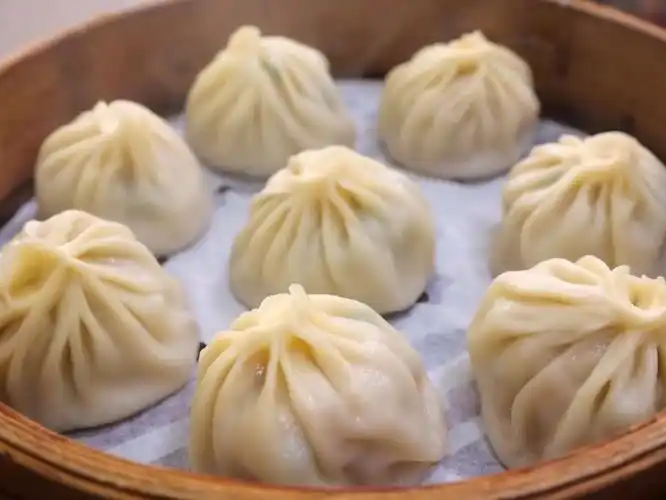
小笼包 是 一种 非常 受 欢迎 的 中国 小吃。
Pinyin
Xiǎolóngbāo shì yì zhǒng fēicháng shòu huānyíng de Zhōngguó xiǎochī.
English
Soup dumplings is a very popular Chinese snack.
它 是 用 薄 皮 包 着 汤 和 肉,吃起来 又 热 又 香。
Pinyin
Tā shì yòng bó pí bāo zhe tāng hé ròu, chī qǐlái yòu rè yòu xiāng.
English
It is made with thin dough wrapped around soup and meat, and it tastes hot and fragrant.
小笼包有 很 多 不同 的 馅,像是 猪肉、牛肉 或者 蟹肉。
Pinyin
Xiǎolóngbāo yǒu hěn duō bùtóng de xiàn, xiàng shì zhūròu, niúròu huòzhě xièròu.
English
Soup dumplings has many different fillings, like pork, beef, or crab meat.
吃 小笼包 时,要 小心,因为 里面 的 汤 非常 热。
Pinyin
Chī xiǎolóngbāo shí, yào xiǎoxīn, yīnwèi lǐmiàn de tāng fēicháng rè.
English
When eating soup dumplings, be careful because the soup inside is very hot.
很多 中国 人 都 喜欢 吃小笼包,尤其 是 在 早晨。
Pinyin
Hěn duō Zhōngguó rén dōu xǐhuan chī xiǎolóngbāo, yóuqí shì zài zǎochén.
English
Many Chinese people like to eat soup dumplings, especially in the morning.
你 也 想 试试 小笼包 吗?你喜欢吃 什么 口味 的?
Pinyin
Nǐ yě xiǎng shìshi xiǎolóngbāo ma? Nǐ xǐhuan chī shénme kǒuwèi de?
English
Would you like to try soup dumplings? What flavor do you like?
语法点 (Grammar Points)
1. 受 欢迎 – To be popular, well-liked
This structure indicates that something is popular or well-received by people. The verb 受 implies being subjected to or receiving, and when combined with 欢迎, it expresses the idea of being liked or favoured by people.
文中 (In text):
– 小笼包是一种非常受欢迎的中国小吃。- Soup dumplings is a very popular Chinese snack.
例 (Example):
– 这 部 电影 在 全 世界 都 很 受 欢迎。- This movie is very popular all over the world.
2. 用 + Object + Verb – Using something to do something
用 indicates what is used to do something.
文中 (In text):
– 它是用薄皮包着汤和肉。- It is made with thin dough wrapped around soup and meat.
例 (Example):
– 妈妈用 洗衣机 洗 衣服。- Mum uses the washing machine to wash clothes.
3. 因为 – Because
因为 is used to give a reason.
文中 (In text):
– 吃小笼包时,要小心,因为里面的汤非常热。- When eating soup dumplings, be careful because the soup inside is very hot.
例 (Example):
– 她没去 上学,因为 生病 了。- She didn’t go to school because she was sick.
4. 尤其 是 – Especially
尤其是 is used to emphasise something.
文中 (In text):
– 很多中国人都喜欢吃小笼包,尤其是在早晨。- Many Chinese people like to eat soup dumplings, especially in the morning.
例 (Example):
– 这里的 风景 很 美,尤其是 春天。- The scenery here is very beautiful, especially in Spring.
5. Verb + 吗 – Question particle
吗 is used at the end of a sentence to make it a question.
文中 (In text):
– 你也想试试小笼包吗?- Would you like to try soup dumplings?
例 (Example):
– 你想 喝 茶 吗?- Would you like to have some tea?
Download the PDF Version
Want to read this story offline? Get the PDF version sent directly to your email.
Simply enter your email below, and we’ll send you the downloadable PDF for this lesson.