🎧 Listen to text audio:
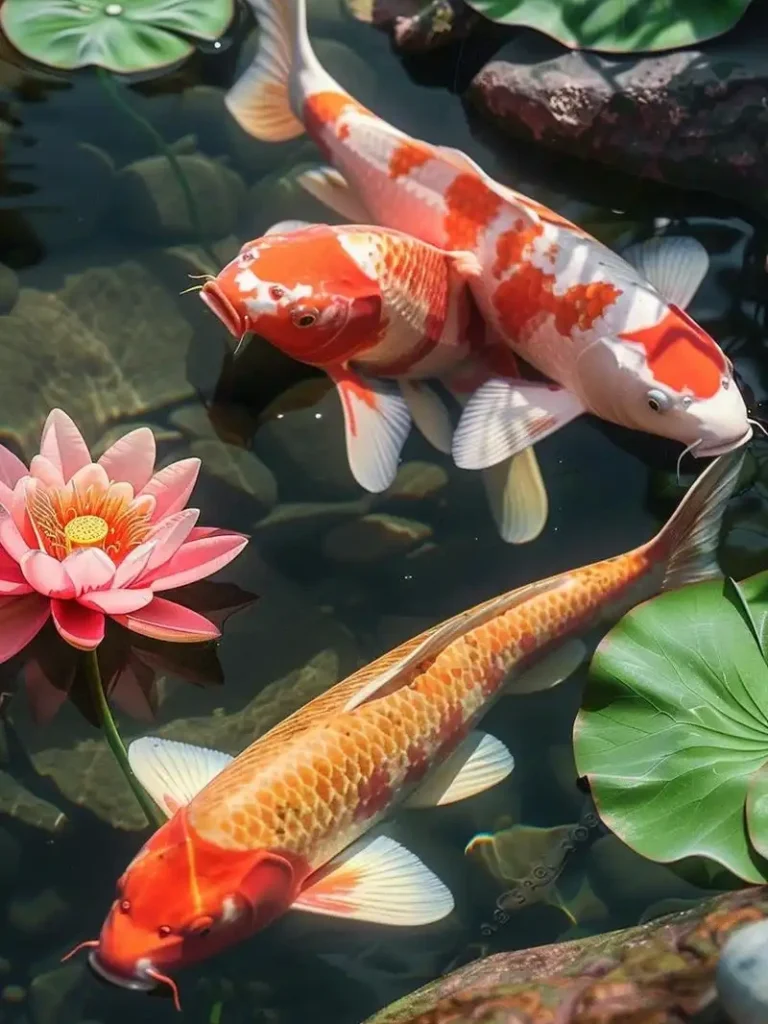
锦鲤 是 一种 非常 美丽 的 鱼。
Pinyin
Jǐnlǐ shì yì zhǒng fēicháng měilì de yú.
English
Koi is a very beautiful fish.
锦鲤的 颜色 有 很 多 种,红色、金色、白色、黑色 等等。
Pinyin
Jǐnlǐ de yánsè yǒu hěn duō zhǒng, hóngsè, jīnsè, báisè, hēisè děngděng.
English
Koi comes in many colors: red, gold, white, black, and so on.
许多 人 喜欢 养 锦鲤,尤其 是 在 池塘 里。
Pinyin
Xǔduō rén xǐhuan yǎng jǐnlǐ, yóuqí shì zài chítáng lǐ.
English
Many people like to raise koi, especially in ponds.
在 一些 地方,人们 相信 锦鲤 能 带 来 好运 和 财富。
Pinyin
Zài yìxiē dìfang, rénmen xiāngxìn jǐnlǐ néng dài lái hǎoyùn hé cáifù.
English
In some places, people believe that koi can bring good luck and wealth.
有些 人 甚至 会 在 新年 时 送 锦鲤 作为 礼物。
Pinyin
Yǒuxiē rén shènzhì huì zài xīnnián shí sòng jǐnlǐ zuòwéi lǐwù.
English
Some people even give koi as gifts during the New Year.
语法点 (Grammar Points)
1. 等等 – And so on; and the like; etc.
The word 等等 is used at the end of a list to imply that there are other similar items or examples that are not explicitly mentioned. It’s equivalent to saying “and so on” or “etc.”
文中 (In text):
– 锦鲤的颜色有很多种,红色、金色、白色、黑色 等等。- Koi fish come in many colours, such as red, gold, white, black, and so on.
例 (Example):
– 我喜欢吃 水果,比如 苹果、香蕉、橙子 等等。- I like to eat fruits, such as apples, bananas, oranges, and so on.
2. 喜欢 – To like
喜欢 is used to express liking something.
文中 (In text):
– 许多人喜欢养锦鲤。- Many people like to raise koi.
例 (Example):
– 我喜欢 读 书。- I like reading.
3. 能 – Can, be able to
能 is used to express ability or possibility.
文中 (In text):
– 人们相信锦鲤能带来好运和财富。- People believe that koi can bring good luck and wealth.
例 (Example):
– 他能 跳 很 高。- He can jump very high.
4. 送 + Noun + 作为 + 礼物 – To give something as a gift
This structure is used to indicate that something is being given with the purpose of being a gift. 送 means “to give,” and 作为 means “as” or “in the role of.”
文中 (In text):
– 有些人甚至会在新年时送锦鲤作为礼物。- Some people even give koi fish as gifts during the Chinese New Year.
例 (Example):
– 他送了一 本 书 作为 生日 礼物。- He gave a book as a birthday gift.
Download the PDF Version
Want to read this story offline? Get the PDF version sent directly to your email.
Simply enter your email below, and we’ll send you the downloadable PDF for this lesson.