🎧 Listen to text audio:
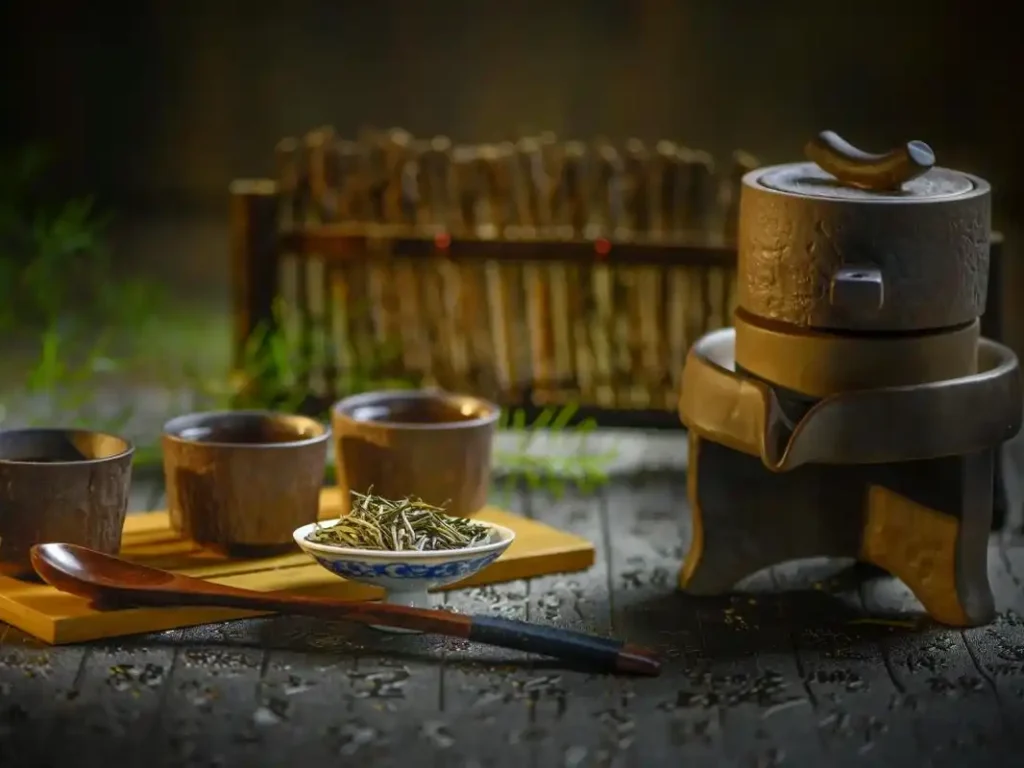
茶道 是 中国 的 传统 文化 之一。
Pinyin
Chádào shì Zhōngguó de chuántǒng wénhuà zhī yī.
English
Tea ceremony is one of China’s traditional cultures.
中国 人 喜欢 喝 茶,有 几 千 年 的 历史。
Pinyin
Zhōngguó rén xǐhuān hē chá, yǒu jǐ qiān nián de lìshǐ.
English
Chinese people like drinking tea, and has a history of thousands of years.
泡 茶 时,茶具 很 重要。
Pinyin
Pào chá shí, chájù hěn zhòngyào.
English
When making tea, the tea utensils are very important.
茶道 不仅 是 喝茶,更 是 享受 过程。
Pinyin
Chádào bùjǐn shì hēchá, gèng shì xiǎngshòu guòchéng.
English
Tea ceremony is not just about drinking tea, it’s also about enjoying the process.
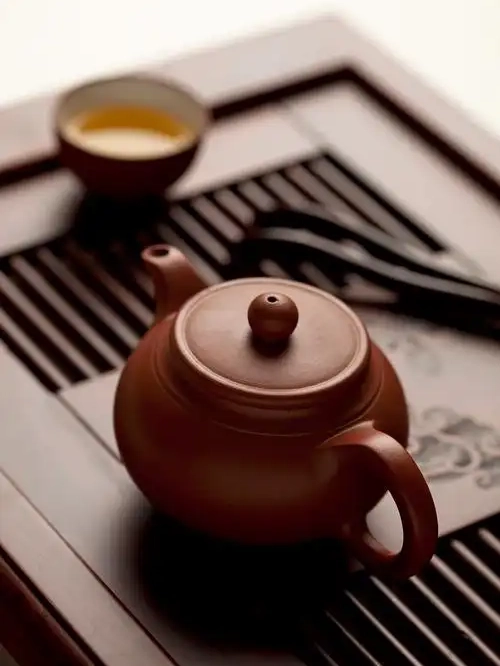
茶道 让 人 放松,感受 到 平静。
Pinyin
Chádào ràng rén fàngsōng, gǎnshòu dào píngjìng.
English
Tea ceremony makes people relax and feel peaceful.
茶道 是 中国 文化 的 重要 部分。
Pinyin
Chádào shì Zhōngguó wénhuà de zhòngyào bùfen.
English
Tea ceremony is an important part of Chinese culture.
语法点 (Grammar Points)
1. Subject + 很 + Adjective – To describe a subject’s state or quality
很 is often used before adjectives to describe a person or thing. In Chinese, adjectives usually need 很 or another degree adverb (e.g., 非常, 太) to sound natural, even if no strong emphasis is intended.
文中 (In text):
– 泡茶时,茶具很重要。(When making tea, the tea utensils are very important.)
例 (Example):
– 他 长 得 很 高。(He is very tall.)
2. 不仅…更 – Not only… but also
不仅 means “not only,” and 更 means “more,” often used for emphasising an additional point.
文中 (In text):
– 茶道不仅是喝茶,更是享受过程。(Tea ceremony is not just about drinking tea, it’s also about enjoying the process.)
例 (Example):
– 她不仅 会 唱歌,更 会 作曲。(She not only can sing, but also compose music.)
Download the PDF Version
Want to read this story offline? Get the PDF version sent directly to your email.
Simply enter your email below, and we’ll send you the downloadable PDF for this lesson.