🎧 Listen to text audio:
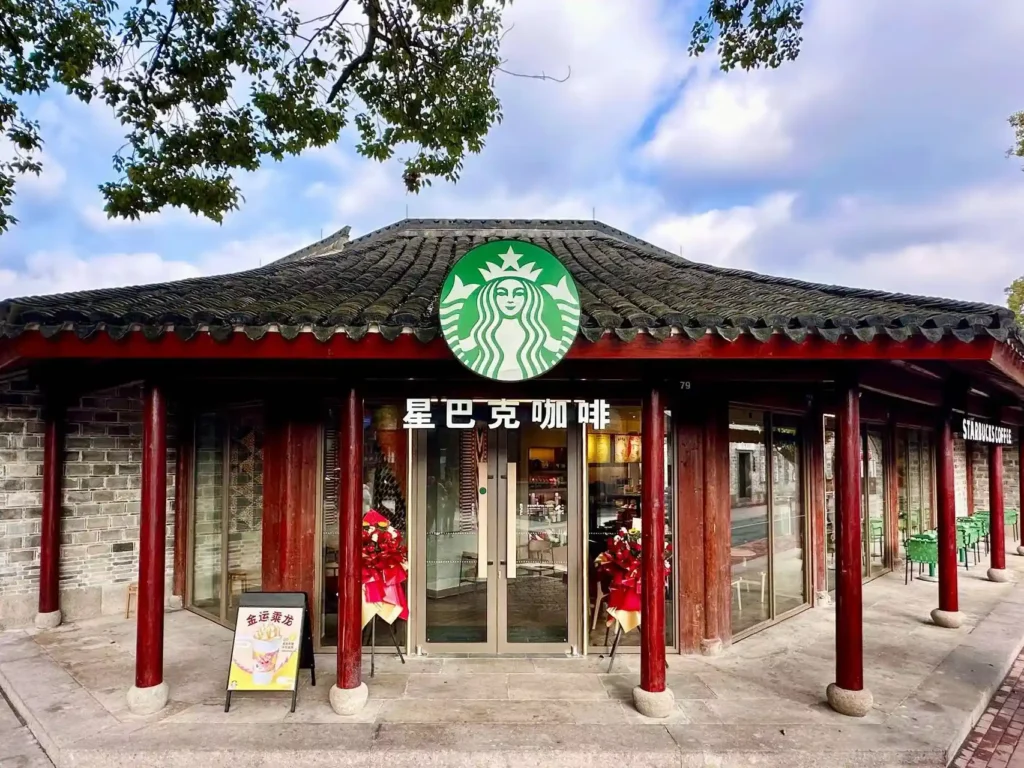
店员: 您好,欢迎光临 星巴克!请问 您 要 点 什么?
Pinyin
Diànyuán: Nín hǎo, huānyíng guānglín Xīngbākè! Qǐngwèn nín yào diǎn shénme?
English
Waiter: Hello, welcome to Starbucks! What would you like to order?
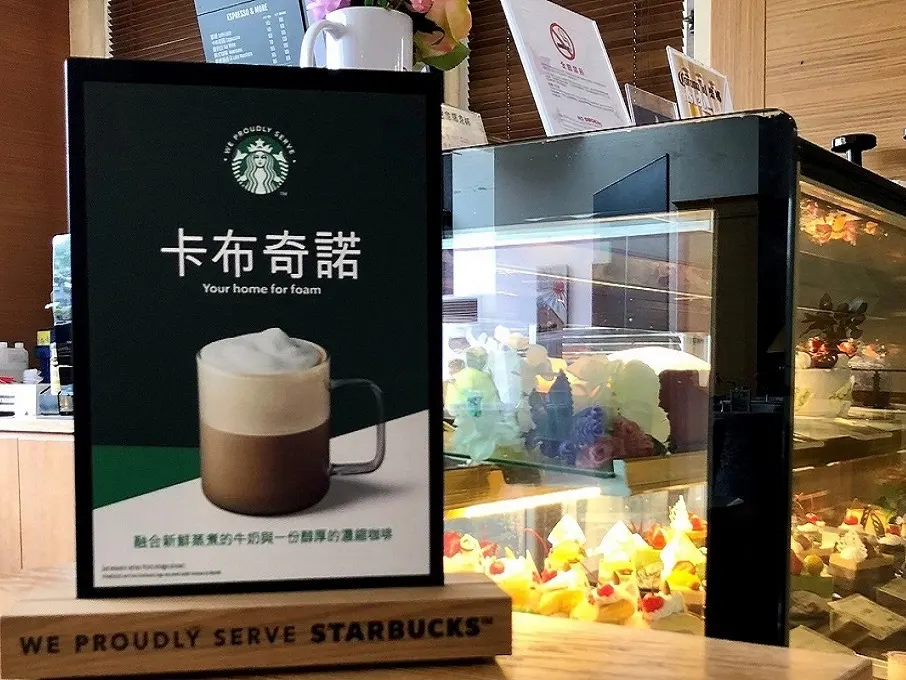
苏苏: 你好,我 想 要 一 杯 中杯 的 卡布奇诺,还有 一 个 甜甜圈。
Pinyin
Sūsū: Nǐhǎo, wǒ xiǎng yào yì bēi zhōng bēi de kǎbùqínuò, háiyǒu yí gè tiántiánquān.
English
Susu: Hello, I would like a medium cappuccino and a donut.
店员: 好的,您的卡布奇诺要 热 的 还是 冰 的?
Pinyin
Diànyuán: Hǎo de, nín de kǎbùqínuò yào rè de háishì bīng de?
English
Waiter: Okay, would you like your cappuccino hot or iced?
苏苏: 热的,谢谢。
Pinyin
Sūsū: Rè de, xièxie.
English
Susu: Hot, please. Thank you.
店员: 甜甜圈 有 巧克力 的 和 草莓 的,您要 哪种?
Pinyin
Diànyuán: Tiántiánquān yǒu qiǎokèlì de hé cǎoméi de, nín yào nǎ zhǒng?
English
Waiter: We have chocolate and strawberry donuts. Which one would you like?
苏苏: 我要巧克力的。
Pinyin
Sūsū: Wǒ yào qiǎokèlì de.
English
Susu: I’ll have the chocolate one.
店员: 好的,一 杯 中杯 热 卡布奇诺 和 一 个 巧克力 甜甜圈,总共 35元。
Pinyin
Diànyuán: Hǎo de, yì bēi zhōng bēi rè kǎbùqínuò hé yí gè qiǎokèlì tiántiánquān, zǒnggòng sānshíwǔ yuán.
English
Waiter: Okay, that’s one medium hot cappuccino and one chocolate donut. The total is 35 yuan.
苏苏: 我 可以 用 手机 支付 吗?
Pinyin
Sūsū: Wǒ kěyǐ yòng shǒujī zhīfù ma?
English
Susu: Can I pay with my phone?
店员: 当然 可以,请 扫码 付款。
Pinyin
Diànyuán: Dāngrán kěyǐ, qǐng sǎomǎ fùkuǎn.
English
Waiter: Of course! Please scan the QR code to pay.
苏苏: (扫码)好了,谢谢!
Pinyin
Sūsū: (sǎomǎ) hǎo le, xièxie!
English
Susu: (Scanning the QR code) All set, thank you!
店员: 收到 付款,这是您的 饮料 和甜甜圈,祝 您 用餐 愉快!
Pinyin
Diànyuán: Shōudào fùkuǎn, zhè shì nín de yǐnliào hé tiántiánquān, zhù nín yòngcān yúkuài!
English
Waiter: Payment received! Here is your drink and donut. Enjoy your meal!
苏苏: 谢谢!
Pinyin
Sūsū: Xièxie!
English
Susu: Thank you!
语法点 (Grammar Points)
1. 点 + Food/Drink – To order (food or drink)
The verb 点 means “to order” in the context of food and drinks at a restaurant or café.
文中 (In text):
– 请问您要点什么? – What would you like to order?
例 (Example):
– 我 点 了 一 杯 奶 茶。 – I ordered a cup of milk tea.
2. 要 + Noun – To order (food or drinks)
要 can mean “to order” when used in a restaurant or café setting.
文中 (In text):
– 你好,我想要一杯中杯的卡布奇诺,还有一个甜甜圈。- Hello, I would like a medium cappuccino and a donut.
例 (Example):
– 你 想 要 咖啡 还 是 茶? – Do you want coffee or tea?
3. 总共 + Amount – The Structure of “Total”
总共 means “in total,” used to indicate the sum or final amount.
文中 (In text):
– 总共35元。 – The total is 35 yuan.
例 (Example):
– 总共10个人。 – Ten people in total.
4. 祝 + Person + Something – Wishing someone something
The verb 祝 means “to wish”, and it is followed by the person and the good wish.
文中 (In text):
– 祝您用餐愉快!- Enjoy your meal!
例 (Example):
– 祝 你 生日 快乐!- Happy Birthday!
Download the PDF Version
Want to read this story offline? Get the PDF version sent directly to your email.
Simply enter your email below, and we’ll send you the downloadable PDF for this lesson.